How To Write A Good Design Brief As A Founder

Most founders don’t wake up excited to write a design brief.
You’re building product. Closing users. Raising money. Shipping features.
And now someone tells you to “write a proper brief.”
Feels like paperwork.
But here’s the truth: learning how to write a design brief is less about documentation and more about speed. A good brief doesn’t slow design down — it prevents 3 weeks of back-and-forth, awkward feedback loops, and “this isn’t what I meant” moments.
At Tribe, we’ve worked with early-stage AI, Web3, SaaS, and EdTech founders who move fast and don’t have time for creative theater. The projects that run smoothly aren’t the ones with the prettiest moodboards. They’re the ones with alignment.
A design brief is alignment.
And without alignment, you’re not designing once.
You’re designing revisions.
Let’s fix that.
What A Design Brief Actually Is (And Isn’t)
A design brief is not a 12-page PDF full of brand adjectives and inspirational screenshots.
It’s a clarity document.
Nothing more. Nothing less.
At its core, a design brief answers a small set of questions that allow a designer to make decisions without guessing. It defines direction — not decoration.
A clarity document — not a creative prison
A strong design brief does three things:
- Defines the problem
- Clarifies the goal
- Sets constraints
That’s it.
It doesn’t micromanage colors, prescribe layout grids or over-specify execution.
If your brief dictates every pixel, you don’t need a designer. You need a production tool.
A good brief gives direction while leaving room for interpretation.
Why most briefs fail
Most briefs fail for one of two reasons:
- They’re too vague
- They’re too controlling
Vague briefs say things like: “Make it modern and clean.” That’s not direction. That’s taste.
Overly controlling briefs say: “Use this layout. These fonts. These colors.” That’s not collaboration. That’s outsourcing execution.
A proper design brief sits in the middle: Clear goals, clear audience, clear constraints, and freedom inside boundaries.
That’s where good design happens.
Designers Who Complain About “Bad Briefs” Are Missing The Point
If a designer complains about “bad briefs,” it usually means they haven’t done their job well.
Most founders, PMs, and marketers aren’t trained to write design briefs. And honestly — they don’t have to be.
They think in revenue, features, deadlines, and launch pressure.
Designers think in structure, hierarchy, perception, and behavior.
Even when taste aligns, the language doesn’t. A founder might say, “Make it feel premium.” A designer hears: minimalist logo design, sans serfis, motion restraint.
Two different dialects.
And translating between them is not the founder’s job, it’s the designer’s.
Senior designers don’t wait for perfect input. They ask better questions.
We use four:
- What are we building?
- Why are we building it?
- How should it work or feel?
- When does it need to be ready?
If those four are clear, you can build something solid and ready for feedback. If they’re not clear, you stop designing and get alignment.
Starting to design without clarity means you’re already designing revisions. And revisions are expensive — not just financially, but cognitively. They drain momentum.
A strong design brief helps. But a strong designer makes the brief stronger.
If you’re working with someone who throws their hands up and says, “The brief wasn’t clear,” what they’re really saying is: “I didn’t ask enough questions.”
Translating founder-speak into design decisions is a senior skill.
And that’s a hill we’re willing to die on.
Why Startups Especially Need A Strong Design Brief
Big companies can survive messy alignment. Startups can’t. When you’re early-stage — AI, SaaS, Web3, EdTech — every week matters. Every revision costs attention. Every unclear decision compounds into friction. A strong design brief is not about being “organized.” It’s about protecting momentum.
Speed is survival
If direction isn’t clear, designers guess. When designers guess, founders correct. When founders correct, you’re in revision cycles. That’s how a 2-week sprint becomes 6 weeks.
Clarity upfront is cheaper than correction later.
This is also why we emphasize alignment early in the startup design process. Design isn’t decoration layered on top — it’s structured decision-making. And structure starts before Figma opens.
Budget protection
Early-stage teams don’t have unlimited runway.
If you’re hiring a freelancer or agency, every unclear deliverable is a hidden invoice waiting to happen.
A proper brief defines:
- What’s included
- What’s not
- What “done” means
That alone prevents scope creep.
Async collaboration
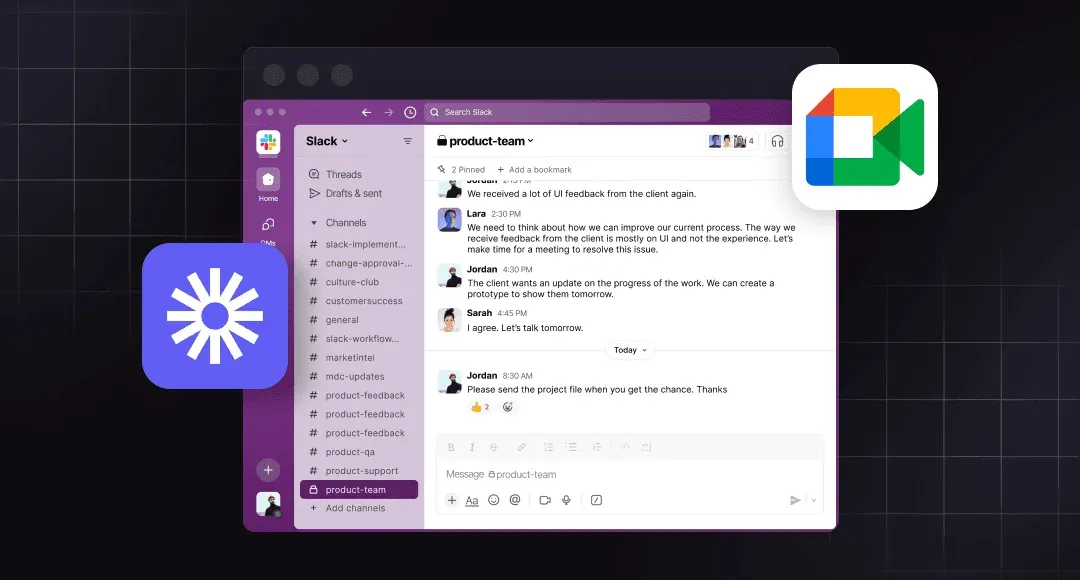
Most startups operate async. Slack threads. Loom videos. Linear tickets. Without a documented brief, context gets lost fast.
A written brief becomes the single source of truth — something you can link, update, and reference instead of repeating yourself in meetings.
Filtering weak designers
This one’s underrated.
When you send a brief, good designers ask sharper follow-ups. Weak ones jump straight into mockups. If someone starts designing before alignment is clear, you already know what’s coming next: revisions.
How To Write A Design Brief Step By Step

If you’re wondering how to write a design brief without overcomplicating it, here’s the simple answer: don’t write a novel. Write a decision framework.
A strong brief forces clarity before design starts. It answers the questions that prevent revisions later.
Here’s the structure we recommend.
1. Project overview
Start simple.
What are we building?
Be concrete.
Bad:
“New marketing design.”
Better:
“Landing page for our AI dev tool targeting seed-stage founders.”
Include:
- What the project is
- Where it will live (website, app, campaign, etc.)
- Whether it’s new or a redesign
If it’s a website redesign, explain what’s broken. If it’s new, explain what triggered it.
This section gives context. Without context, design becomes guessing.
2. Business objective
This is where most briefs get fuzzy. Design exists to move something. What does success look like?
Examples:
- Increase demo bookings
- Improve onboarding completion rate
- Raise perceived credibility before fundraising
- Increase conversion from free trial to paid
If you can’t define success, you’re not ready to design yet.
Clear objective = better decisions.
3. Target audience
Who is this for? Be specific.
- Early-stage SaaS founders
- Enterprise compliance teams
- Crypto-native developers
- University students switching to tech
Include:
- What they care about
- What they fear
- What they already know
For example, designing for developers is different from designing for enterprise procurement. Same product. Different hierarchy, tone, density.
If you’ve already defined positioning work, reference it here. If not, this is where branding clarity becomes critical. We go deeper into that in our branding for startups guide.
Design is translation. Audience defines the language.
4. Scope and deliverables
This protects everyone.
What exactly is included?
Be explicit.
- Landing page design + 3 subpages
- Mobile + desktop views
- Design system starter
- Social launch assets
Also clarify what’s not included.
- No copywriting
- No development
- No motion design
Unclear scope is the fastest path to friction. If you don’t define the edges, they will expand.
5. Constraints
Constraints are not annoying. They’re useful.
Include:
- Timeline
- Budget range
- Technical platform (Framer, Webflow, React, etc.)
- Existing brand guidelines
- Legal/compliance limitations
Design improves inside constraints. Without them, feedback becomes subjective: “Can we try something else?” Constraints create boundaries that guide decisions.
6. References and inspiration
This is where most founders overdo it. References are helpful — but only with commentary. Don’t just drop five screenshots.
Explain:
- What you like about each
- What you don’t like
- What you want to avoid
Bad: “Make it like Stripe.”
Better: “We like Stripe’s clarity and whitespace, but we want more personality.”
Designers can’t reverse-engineer your taste from screenshots alone. Interpretation requires explanation.
7. Decision makers and workflow
This is the most overlooked section.
Who approves?
Is it:
- Founder only?
- Founder + PM?
- Founder + marketing + advisor?
Define:
- Who gives final sign-off
- How feedback is delivered (async doc, Slack, call)
- How many revision rounds are expected
If five people give unstructured feedback, you don’t have a design process. You have chaos. Alignment on decision-making is just as important as alignment on visuals.
If you include these seven sections, you don’t need a “perfect” brief. You need a clear one. And clarity is what prevents redesigning the same screen three times.
Design Brief Template You Can Copy
If you just want a clean structure to use immediately, here’s a simple design brief template you can copy into Notion, Google Docs, or Linear.
Project name:
(Example: AI Dev Tool Landing Page V1)
1. Project overview
What are we building?
Where will it live?
Is this new or a redesign?
2. Business objective
What outcome are we trying to drive?
How will we measure success?
3. Target audience
Who is this for?
What do they care about?
What do they already know?
4. Scope and deliverables
What’s included?
What’s not included?
5. Constraints
Timeline:
Budget range (if relevant):
Platform / technical limitations:
Existing brand guidelines:
6. References (with commentary)
Links + explanation of what you like or dislike.
7. Decision makers and workflow
Who gives final approval?
How will feedback be delivered?
Expected revision rounds?
That’s it.
If these sections are filled out clearly, you’ve already eliminated 70% of potential revisions. Not because the brief is perfect. But because it forces alignment before design starts.
Common Mistakes Founders Make In Design Briefs
Most design briefs don’t fail because founders are careless. They fail because clarity feels “obvious” in your own head.
Here are the common traps.
Being vague about outcomes
“Make it modern.”
“Make it premium.”
“Make it pop.”
These are opinions, not objectives.
If you don’t define what success looks like, feedback becomes subjective. And subjective feedback leads to endless iteration.
Clarity beats adjectives.
Skipping constraints
Founders often avoid mentioning budget or timeline because it feels restrictive. It’s not.
Constraints improve design decisions. Without them, you’re inviting exploration when you actually need execution.
Dropping moodboards without explanation
Sending screenshots without commentary forces designers to guess what you like.
Is it the typography? The layout density? The tone? The motion?
Explain what you’re reacting to. Otherwise, you’re outsourcing interpretation.
Letting everyone give feedback
If five stakeholders give unstructured input, your design process collapses fast.
Define one decision owner.
Alignment doesn’t mean democracy.
Treating the brief like paperwork
The biggest mistake?
Writing the brief just to “get it done.”
If you rush through it, you’re not saving time. You’re postponing the thinking.
And postponed thinking always shows up later as revisions.
When You Don’t Need A Full Design Brief
Not every task requires a structured document.
If you’re making a minor UI tweak, updating a headline, or adjusting spacing inside an existing system, a full design brief is overkill.
You also don’t need a formal brief when:
- You’re working with an embedded designer who already has deep context
- The scope is extremely narrow and clearly defined
- You’re iterating inside an already-aligned direction
In those cases, a clear Slack message or Linear ticket is enough.
But the moment you’re:
- Launching something new
- Redesigning positioning
- Introducing a new audience
- Changing core flows
You need alignment written down.
Small tasks can live in messages.
Strategic shifts deserve a brief.
Clarity scales. Assumptions don’t.
FAQ

What should be included in a design brief?
A strong design brief should include a project overview, business objective, target audience, scope and deliverables, constraints, references with commentary, and decision-making structure. The goal is clarity, not length.
How long should a design brief be?
Most effective design briefs are 1–3 pages. If it’s shorter than a page, it’s probably missing context. If it’s 10 pages long, it’s probably overthinking execution. Clear and concise beats comprehensive.
Who writes a design brief?
Typically, the founder, product manager, or marketing lead writes the initial brief. A senior designer then refines it by asking follow-up questions and translating business goals into design direction.
Is a design brief necessary for small projects?
Not always. Small UI tweaks or minor iterations may only require a clear message or ticket. But anything strategic — new launches, redesigns, repositioning — should be documented properly.
What is the difference between a creative brief and a design brief?
A creative brief is often broader and campaign-focused, covering messaging and brand storytelling. A design brief is more execution-focused. It defines what is being built, why it matters, and the constraints that guide visual and UX decisions.
Key Takeaways
- A design brief is a speed tool — not paperwork.
- Clarity upfront prevents expensive revisions later.
- If a designer blames a “bad brief,” they probably didn’t ask enough questions.
- Four questions solve most alignment issues: what, why, how, and when.
- Constraints improve design — they don’t limit it.
- Undefined success leads to subjective feedback.
- One decision maker is better than five opinions.
- Starting design without alignment means you’re designing revisions.
Writing a strong design brief isn’t about being “organized.”
It’s about thinking clearly before you ask someone else to think visually.
If you feel like your projects keep slipping into revision loops or you’re unsure whether your process is actually setting designers up to win, book a fit call and let’s take a look at it together.